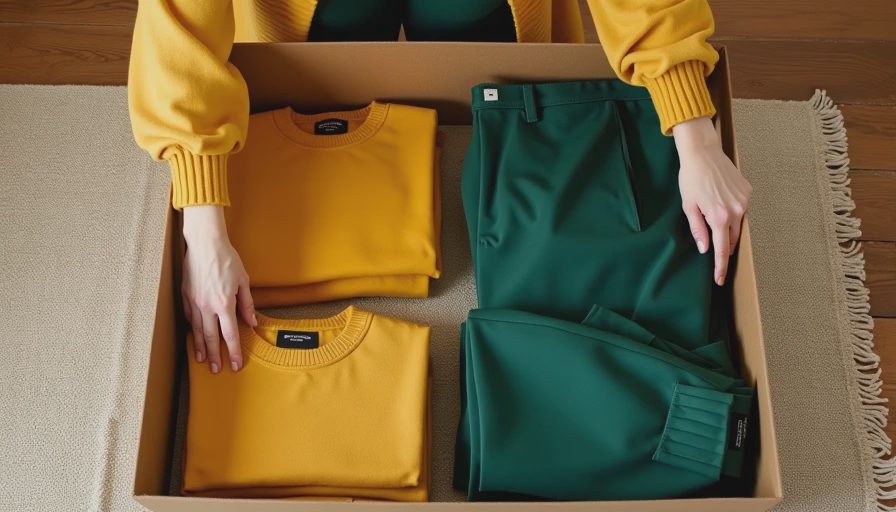
A **capsule wardrobe color palette** is the backbone of a minimalist, functional closet. When every piece you own works together, getting dressed becomes a matter of grabbing any top, any bottom, and knowing they’ll match. No last-minute outfit panic, no stalled mornings staring at a jam-packed closet. If you’ve been chasing that effortless style, the secret isn’t buying more—it’s choosing the right colors.
I’ve helped dozens of friends and clients edit their closets, and the number one mistake I see is ignoring color cohesion. They buy a gorgeous olive jacket but nothing in their wardrobe pairs with it. They fall for a trendy pastel top that only works with white jeans. Before long, they own thirty pieces that only create three outfits. That’s the opposite of a capsule. A thoughtful **capsule wardrobe color palette** fixes this. It gives you a visual filter: if it doesn’t fit your palette, it doesn’t come home.
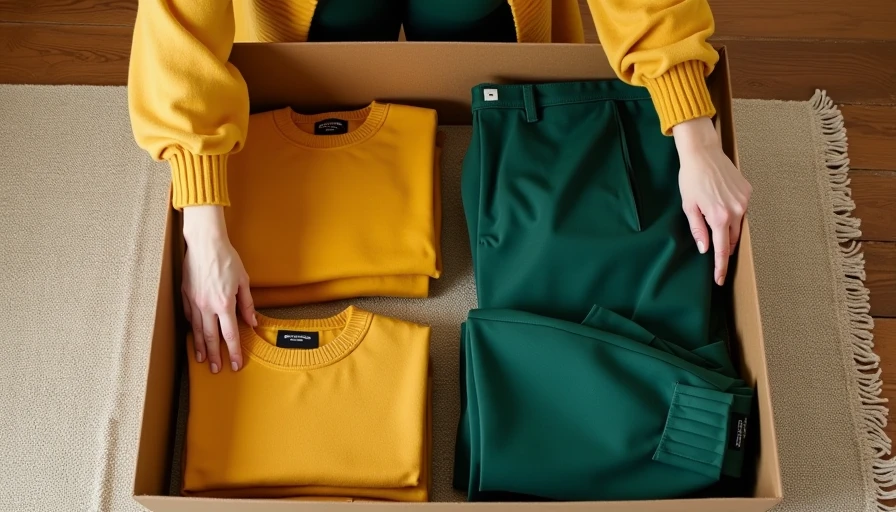
Why Your Color Palette Matters More Than the Number of Items
A capsule wardrobe isn’t about living with ten pieces—it’s about making every piece work hard. When you commit to a specific **capsule wardrobe color palette**, you automatically increase your outfit combinations. Let’s say you pick three neutrals (like navy, beige, and charcoal) and two accents (like rust and cream). Every top in navy or cream can pair with every bottom in beige or charcoal. You’ve got at least a dozen outfits from just five items. Add a rust cardigan or scarf, and suddenly you have layers of depth without buying anything new.
Color also creates visual consistency. Have you ever seen someone who looks instantly put-together even in a simple tee and jeans? Chances are, their colors harmonize. A defined palette prevents that jarring mismatch that makes an outfit look thrown together. It’s the difference between “I threw this on” and “I have a style.”
How to Build Your Capsule Wardrobe Color Palette in 4 Steps
Step 1: Start with Your Core Neutrals
Neutrals are the foundation of any capsule. Choose two to four neutrals that feel like “you.” Classic options include black, navy, gray, camel, beige, olive, and white. I recommend picking at least one light neutral (beige, cream) and one dark neutral (charcoal, navy) for contrast. If you love warmth, lean into camel and cream. If you prefer cool tones, go with navy and gray. These neutrals will make up about 60% of your wardrobe.
Step 2: Add One or Two Base Accents
Base accents are colors that still act like neutrals but add personality. Think burgundy, forest green, slate blue, or mustard. They should pair easily with all your core neutrals. For example, a burgundy sweater looks great with navy pants and beige trousers. Limit yourself to two accents—any more and you risk the palette becoming chaotic.
Step 3: Pick One or Two Statement Accents
These are the pops: coral, emerald, bright yellow, fuchsia. Use sparingly—maybe 10% of your wardrobe. A statement trench in cobalt, a silk blouse in blush pink. The key is that your statement accent still works with at least two of your neutrals. A bright pink top should look good with both your navy jeans and your camel skirt.
Step 4: Test Your Palette Against Your Current Closet
Pull three to five pieces you already own and love. Write down their colors. Do they fit your proposed palette? If not, adjust. Your **capsule wardrobe color palette** should feel like an edited version of your existing taste, not a total stranger’s. I once had a client who insisted on a beige-and-burgundy palette, but her favorite jacket was rust. We added rust as a base accent, and everything clicked.
A Real-World Example Palette That Works
Here’s a palette I recommend to clients who want a polished but not boring look:
- **Core Neutrals:** Navy, beige, cream
- **Base Accent:** Olive green
- **Statement Accent:** Burnt orange
With this **capsule wardrobe color palette**, you can wear navy trousers with a cream blouse and olive cardigan, then switch to beige trousers with an orange sweater. Add a navy blazer over everything for an instant third outfit. The combinations feel endless because the colors are relatives, not strangers.

Tips for Sticking to Your Capsule Wardrobe Color Palette
- **Shop with a swatch.** Bring a small fabric sample or a photo of your palette on your phone. When you’re tempted by a sale top, compare it. If it doesn’t fit, walk away.
- **Allow one wild card.** I’m not a total tyrant. Let yourself keep one or two pieces outside the palette—a favorite band tee, a special occasion dress. Just don’t let them take over.
- **Refresh seasonally.** Your palette can shift slightly with the seasons. Summer might swap olive for a lighter sage; winter might add a rich plum. The core neutrals stay, but accents can rotate.
- **Don’t forget accessories.** Shoes, bags, and scarves count. A neutral palette is easier when your handbag and belt match your core colors. Invest in a navy tote and beige flats—they’ll work with everything.
Common Mistakes to Avoid
Going too narrow. A palette with only black and white is limiting and harsh on many skin tones. Include one warm neutral (beige, camel) to soften it. On the flip side, avoid six neutrals—that’s not a palette, it’s just a lot of clothes. Stick to three or four.
Another mistake is ignoring personal coloring. Your **capsule wardrobe color palette** should flatter you, not fight you. If you have warm undertones, cool neutrals like stark gray may wash you out. Try warm gray or taupe instead. The goal is to make you look vibrant and put-together, not to follow a rigid formula.
Why a Capsule Wardrobe Color Palette Makes Life Easier
A good wardrobe should make your mornings easier, not louder. When your colors are aligned, you spend less time deciding and more time doing. You also shop smarter—every purchase has a purpose because you know exactly where it fits. Over time, your closet becomes a source of calm, not chaos. That’s the real power of a **capsule wardrobe color palette**.
Ready to build yours? Start by editing down your current favorites, pick three neutrals and two accents, and test-drive the system for a month. I promise, once you experience the ease of a coordinated closet, you’ll never go back to the rainbow of random buys.



No letters yet — be the first to write.