When you are planning a hike, one of the most common questions is hiking clothes what to wear. The right outfit can make the difference between a miserable day and a fantastic one. Whether you are a beginner or a seasoned hiker, choosing the right layers and fabrics keeps you comfortable and safe. In this guide, we will cover the essentials of hiking apparel so you can hit the trail with confidence.
Why Layering Matters
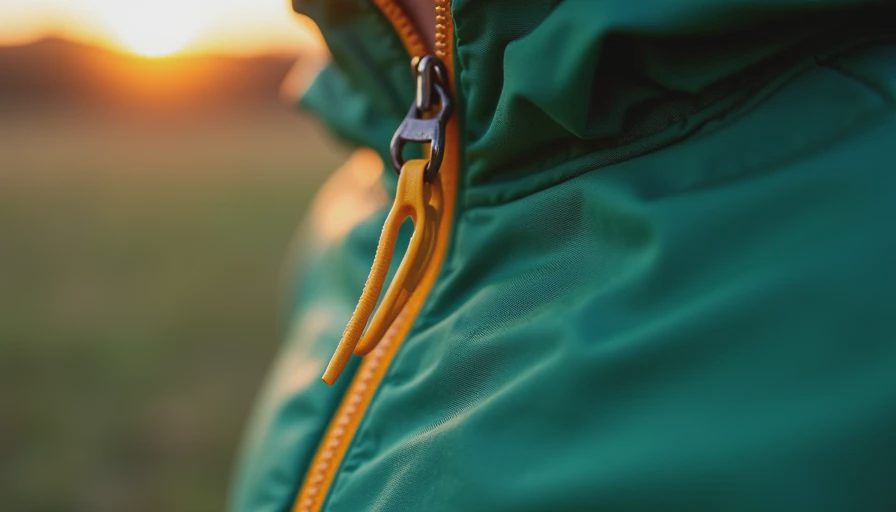
Layering is the foundation of any good hiking wardrobe. A three-layer system works best: base layer to wick moisture, mid layer to insulate, and outer layer to protect against elements. For most day hikes in moderate weather, a breathable synthetic or merino wool base, a lightweight fleece or down vest, and a waterproof shell are all you need. Avoid cotton because it stays wet and can cause chills. A good set of layers can cost anywhere from $100 to $400 depending on brands and materials. For women, look for pieces designed for a female fit, which often have narrower shoulders and longer torsos. In warm weather, skip the mid layer and use a lightweight base with a sun-protective outer shirt. In cold weather, add a heavier mid layer like a thick fleece or down jacket. Always carry an extra layer for breaks or weather changes.
Choosing the Right Fabrics
Fabric choice is critical for comfort. Merino wool is a favorite for base layers because it is soft, naturally odor-resistant, and insulates even when damp. Look for lightweight merino tops from brands like Smartwool or Icebreaker, priced around $50 to $100. Synthetic fabrics like polyester or nylon are also excellent and cheaper, ranging from $20 to $60. For mid layers, fleece is warm, breathable, and dries quickly. Down jackets offer more warmth for weight but lose insulation when wet, so synthetic insulation like Primaloft works better in wet conditions. For outer layers, a waterproof and breathable jacket with sealed seams is essential. Expect to invest $100 to $300 for a quality shell such as the Patagonia Torrentshell or Outdoor Research Helium. For pants, nylon or polyester blends with spandex offer stretch and durability. Avoid jeans; they are heavy and take forever to dry. When shopping for hiking clothes what to wear, focus on fabrics that breathe and move with you.
Essential Hiking Pieces
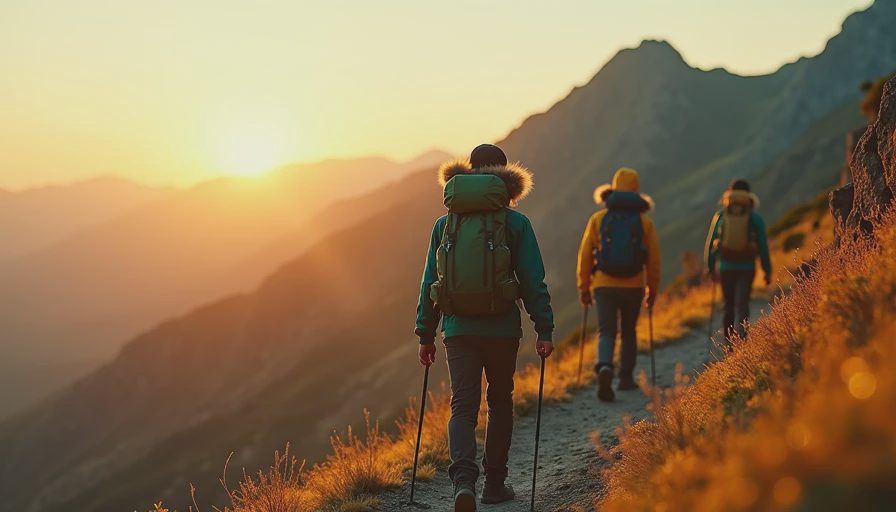
You do not need a huge wardrobe. Start with a few versatile items. Hiking pants should be durable, quick-drying, and offer full range of motion. Many come with zip-off legs to convert to shorts. Good options include the REI Co-op Sahara pants ($70) or the Prana Stretch Zion ($90). For tops, a few short-sleeve and long-sleeve synthetic shirts work year-round. A lightweight fleece or insulated jacket adds warmth for cool mornings. Do not forget a sun hat, sunglasses, and a waterproof rain jacket even if the forecast looks clear. For women, moisture-wicking sports bras are a must. Also consider a lightweight hiking dress or skort for warm days; brands like REI and Columbia make versions with built-in shorts.
Footwear and Accessories
Footwear is the most important gear choice. Hiking boots or trail runners should fit well with a little room in the toe box. Break them in before a long hike. Good options include the Merrell Moab ($120) or Salomon X Ultra ($140) for boots; trail runners like the Hoka Speedgoat ($150) are lighter and breathable. Pair them with merino wool socks to prevent blisters. Accessories like a lightweight daypack (20-30 liters) can hold water, snacks, and extra layers. A hydration system or water bottles are essential. Trekking poles reduce strain on your knees, especially on steep terrain. For women, packs with adjustable torso lengths ensure a better fit. Brands like Osprey and Deuter offer women-specific models. Include a small first-aid kit, sunscreen, and a headlamp.
Day Hike Checklist: What to Pack
To make sure you never forget a key item, use this checklist before every hike. Start with your layering system: base layer, mid layer (if needed), and outer shell. Then add hiking pants or shorts, a sun hat, and sunglasses. Footwear includes boots or trail runners plus merino wool socks. Pack a lightweight daypack (20-30 liters) filled with at least 1 liter of water per hour of hiking, plus snacks like trail mix or energy bars. A hydration bladder makes drinking easier. Bring a map or GPS app, a headlamp or flashlight, and a small first-aid kit. Sunscreen SPF 30+ and insect repellent are essential. For longer hikes, add trekking poles, an extra insulating layer, and a rain jacket even if skies are clear. This checklist covers the basics for any day hike and helps you focus on hiking clothes what to wear and what to bring.
Final Thoughts
Knowing what to wear for hiking is about balancing comfort, function, and personal style. Start with the layering system, choose fabrics wisely, and invest in key pieces that work for the trails you love. With the right hiking clothes what to wear, you will be ready for any adventure. Remember, the best outfit is one that lets you focus on the scenery, not on adjusting your gear. Build your collection gradually and your wardrobe will perform day after day.
No letters yet — be the first to write.