

If you’ve ever stood in front of a packed closet with nothing to wear, you’re not alone. The solution isn’t more clothes—it’s better outfit logic. Learning **how to build a capsule wardrobe** is the single most effective way to cut decision fatigue, save money, and develop a personal style that actually works for your life. A capsule wardrobe is a curated collection of versatile pieces that mix and match seamlessly, typically 30–40 items including shoes and outerwear. The goal isn’t minimalism for its own sake—it’s about having exactly what you need and loving everything you own.
What Is a Capsule Wardrobe?
At its core, a capsule wardrobe is a system. Instead of buying random tops, bottoms, and shoes that never quite work together, you choose pieces that coordinate across your entire closet. Each item earns its place by being versatile, durable, and flattering. When you **build a capsule wardrobe**, you’re not restricting yourself—you’re simplifying. A well-designed capsule means any top works with any bottom, and you can create dozens of outfits from a small number of pieces. Think of it as a uniform that still lets your personality shine.
Why Bother Building One?
The benefits go beyond looking put-together. First, you’ll save time. No more rummaging or last-minute outfit panic. Second, you’ll save money. Instead of impulse buys that hang unworn, you invest in pieces that earn their cost-per-wear. Third, your style becomes clearer. When every piece is intentional, your wardrobe reflects who you are—not the latest trend. For anyone tired of clutter and chaos, learning **how to build a capsule wardrobe** is a game changer.
Step 1: Define Your Color Palette
Before you touch your closet, decide on a cohesive color scheme. Most capsules work best with a neutral base—think black, navy, beige, gray, or olive—plus one or two accent colors (like burgundy, mustard, or blush). Stick to shades that flatter you and match each other. For example, if your neutrals are ivory and camel, your accent could be forest green. This palette becomes your filter: everything you buy must fit within it. That’s the first rule of how to **build a capsule wardrobe** that actually coordinates.
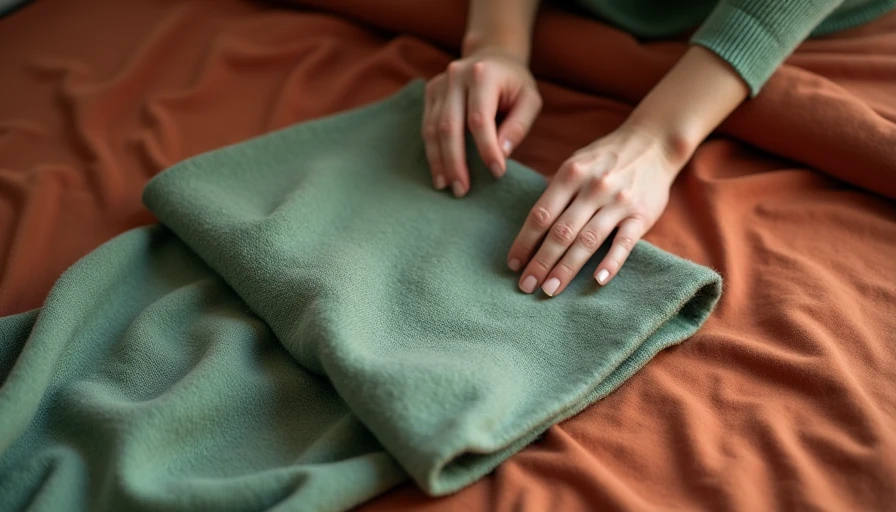
Step 2: Choose Your Core Pieces
A capsule wardrobe usually includes tops, bottoms, dresses, outerwear, and shoes. Here’s a typical breakdown for a work-and-weekend capsule:
- **Tops (8–10):** White and black tees, a striped shirt, a silk blouse, a chambray shirt, a lightweight sweater, a turtleneck.
- **Bottoms (4–5):** Dark straight-leg jeans, a midi skirt, tailored trousers, black pants, shorts (if season-appropriate).
- **Dresses (2–3):** A slip dress, a shirt dress, a knit dress.
- **Outerwear (3–4):** A blazer, a trench coat, a denim jacket, a cardigan.
- **Shoes (4–5):** White sneakers, loafers, ankle boots, block heels, flat sandals.
Don’t worry about hitting exact numbers. The key is to choose pieces that go together. For instance, your striped shirt should look good with both your jeans and your trousers. This is where **how to build a capsule wardrobe** becomes a system—every piece should have at least three outfit partners.
Step 3: Add Versatile Layers
Layers are where a capsule wardrobe gets interesting. A simple outfit of jeans and a tee becomes chic with a blazer or a long cardigan. A slip dress can be worn alone in summer or layered over a turtleneck in winter. Look for layers that bridge seasons: a cashmere crewneck, a lightweight trench, a leather jacket. When you **build a capsule wardrobe**, think about how each layer adds visual interest without bulk. Textures also matter—cotton, silk, wool, denim, and leather create depth even in neutral colors.
Step 4: Edit Ruthlessly
Once you’ve chosen your pieces, try on everything. If something doesn’t fit well, feel good, or match your palette, let it go. Donate, sell, or pass it on. A capsule wardrobe only works if you love every item. Be honest: that trendy puff-sleeve top you never reach for? It’s taking up space. Editing is the most important part of learning **how to build a capsule wardrobe**—because less truly is more when every piece pulls its weight.
Step 5: Maintain and Refresh
A capsule isn’t static. As seasons change, swap in a few items (switch sandals for boots, add a heavier coat). As your style evolves, update one or two pieces per season. The goal is cohesion, not boredom. Avoid the temptation to buy outside your palette unless you’re prepared to swap something out. Over time, you’ll develop a wardrobe that feels effortless.
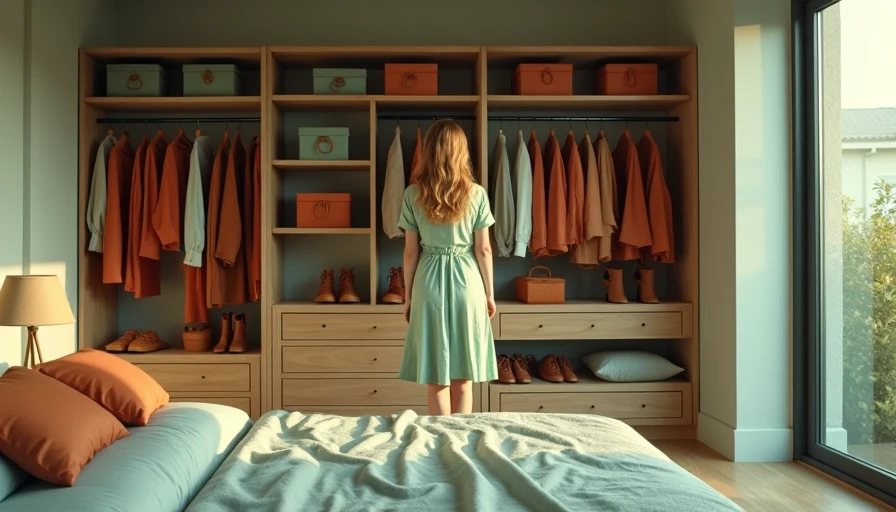
Common Mistakes to Avoid
**Mistake #1: Buying everything at once.** Capsules grow best over time. Start with a few core pieces and build gradually. **Mistake #2: Ignoring your lifestyle.** A capsule for a remote worker looks different from one for a teacher. Make sure your pieces match your actual daily activities. **Mistake #3: Choosing trendy over timeless.** A capsule should last years, not months. Skip fast-fashion flashes in favor of quality staples. **Mistake #4: Forgetting accessories.** A leather belt, a scarf, or a structured bag can totally change an outfit without adding bulk.
Final Thoughts
Learning **how to build a capsule wardrobe** is about intentionality. It’s not about having less—it’s about having exactly what you need. The morning decision-making gets easier, your spending becomes smarter, and your personal style becomes more distinct. Start with a palette, pick pieces that mix and match, and edit until every item earns its place. A good wardrobe should make your mornings easier, not louder. That’s the whole point.
Ready to try it? Take an hour this weekend to pull out your favorite items, define your palette, and see what’s missing. You might be surprised how close you already are.