Sales seasons used to be dangerous for me. I’d walk in with good intentions and leave with bags full of “deals” that never got worn. The markdown tags created a false sense of urgency that bypassed my better judgment.
After too many regret purchases and several honest closet audits, I developed a clear system for shopping sales that actually serves my wardrobe instead of sabotaging it. Here’s exactly how I approach sales now — whether it’s Black Friday, end-of-season, or random 30% off alerts.
The Mindset Shift That Changed Everything
The goal during a sale isn’t to buy as much as possible. It’s to buy the right things you would have bought at full price anyway — just for less. Everything else is noise.
A good wardrobe should make your mornings easier, not louder.
My 7 Rules for Regret-Free Sale Shopping

1. Never Buy on First Sight
I add items to my cart or wishlist and wait at least 24 hours (48–72 during big sales). Most “must-haves” lose their appeal quickly. This single rule has saved me the most money.
2. Only Buy What Already Fits Your Capsule
Before buying, I ask: Does this work with at least 4–5 existing pieces in my closet? If not, it’s a no — even at 50% off. This prevents beautiful orphans.
3. Prioritize Core Pieces and Supporting Items
I’m much more willing to buy during sales:
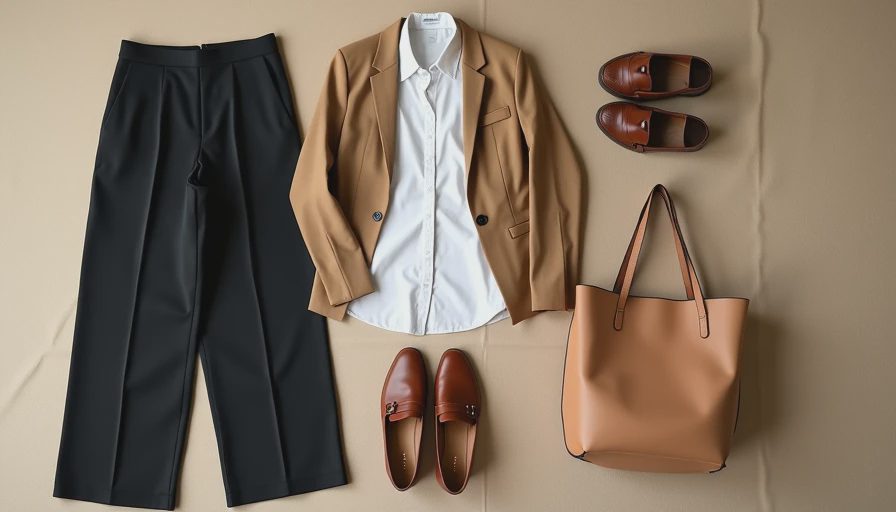
Black or neutral trousers
Good blazers
Quality basics (white shirts, tees, knits)
Versatile shoes and bags
Trench coats or reliable layers
I’m much stricter with trendy tops, statement dresses, or anything heavily seasonal.
4. Check Fabric and Construction Ruthlessly
Sales often feature lower-quality pieces. I look for:
Natural or good blends (cotton, linen, wool, Tencel)
Proper seam finishing
Buttons that feel solid
Zippers that glide smoothly
If the fabric feels cheap in-store or in photos, I skip it no matter the discount.
5. Know Your Brand’s Sale Patterns
Some brands (like Everlane or Quince) have consistent quality even on sale. Others dump lower-quality “sale only” items. I’ve learned which brands I can trust and which require extra caution.
6. Consider the Real Cost Per Wear
A $120 item at 40% off is $72. If I wear it 30 times, that’s $2.40 per wear. A trendy $30 top I wear twice costs $15 per wear. Always calculate realistically based on your actual habits.
7. Have a “Waiting List” Ready
Before big sales, I make a short list of specific gaps or replacements I actually need. Shopping against this list keeps me focused and intentional.
My Biggest Sale Regrets (So You Don’t Repeat Them)
The “cute” printed blouse that only matched one bottom
Heavily discounted trendy shoes that hurt after 30 minutes
Multiple cheap blouses because “they were only $19”
These taught me that a sale price doesn’t make something a good purchase — it just makes a bad purchase cheaper.
What I Actively Hunt During Sales
Replacement basics that have worn out
Hero pieces I’ve been eyeing for months
Supporting items (shoes, bags, belts) that elevate existing outfits
Timeless neutrals in good fabrics
Post-Sale Audit System
As soon as I get home (or packages arrive), I do a quick try-on and ask:
Does this feel like “me”?
Would I buy this at full price?
Does it solve a real wardrobe gap?
If anything fails, it goes back immediately. No exceptions.
Making Sales Work for Your Wardrobe
Sales should accelerate your intentional shopping plan — not replace it. When you approach them with a clear strategy, you’ll come home with stronger, more useful pieces instead of closet clutter.
Style gets easier when your clothes cooperate, and thoughtful sale shopping is a big part of building that kind of wardrobe.
Next time a big sale hits, go in with your list, your rules, and your wishlist. You’ll feel empowered instead of overwhelmed.
I’d love to hear your sale shopping tips and horror stories. What’s the best deal you’ve ever scored? What’s something you always regret buying on sale? Share in the comments so we can all shop smarter together.



No letters yet — be the first to write.