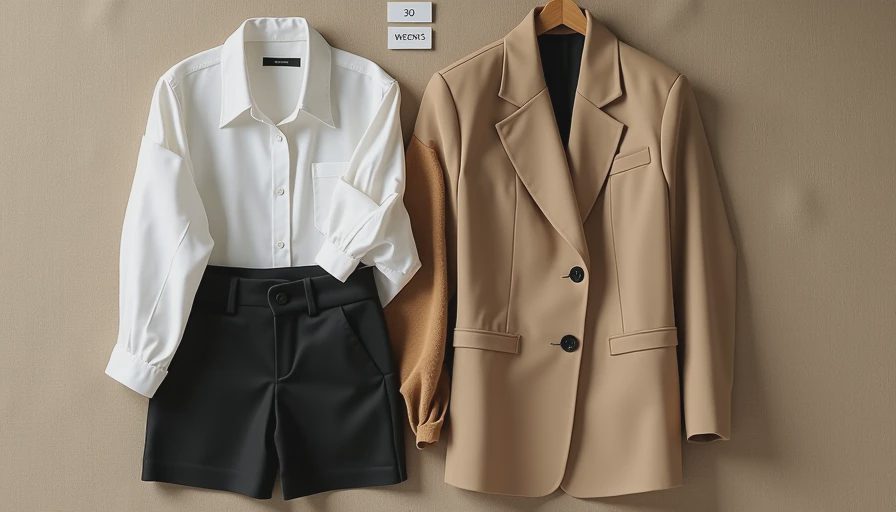
After years of impulse buys, regret cleanouts, and slowly rebuilding my closet with intention, I landed on a decision-making system that actually works. Now, before I buy anything — whether it’s a $25 tee or a $150 blazer — I run it through these three questions.
This framework has saved me hundreds (probably thousands) of dollars and helped create a wardrobe that feels cohesive, useful, and genuinely mine.
The Three Questions
1. Does This Solve a Real Gap or Need in My Current Wardrobe?
This is the most important filter. I no longer buy things just because they’re cute or on sale. I ask:
Do I have enough versatile tops that work with my bottoms?
Is my layering game weak for transitional weather?
Do I actually need another pair of black trousers, or am I just bored?
If the item doesn’t clearly address a gap (or replace something worn out), it doesn’t come home. This question alone stopped most of my emotional and trend-driven purchases.
For example, last season I almost bought a trendy olive cargo skirt. Then I realized I already had two great midi skirts that worked better with my existing tops. Gap not solved → passed.
2. Will I Wear This at Least 30 Times in the Next Year?
This is my “cost per wear” reality check. I force myself to visualize real-life scenarios:
Will this work for client calls, errands in Austin heat, weekend dinners, and travel?
Can I style it at least 8–10 different ways with what I already own?
Does it match my actual lifestyle and calendar, not my fantasy version?
If I can’t confidently say yes to 30+ wears, I walk away. This question is brutal but incredibly effective. A beautiful statement piece that I might wear twice a year rarely makes the cut anymore.
3. Does This Feel Like “Me” — or Just Like a Good Idea?
This is the identity and fit question. Even if it passes the first two, I pause and ask:
Does this align with my signature style (warm neutrals, clean lines, balanced proportions)?
How does it feel on my body — not just in the mirror for 10 seconds, but after moving around?
Would I still want this if no one ever saw me wear it?
This prevents “idea love” purchases — the ones that look great on the model or Pinterest but never feel quite right on me.
A good wardrobe should make your mornings easier, not louder.
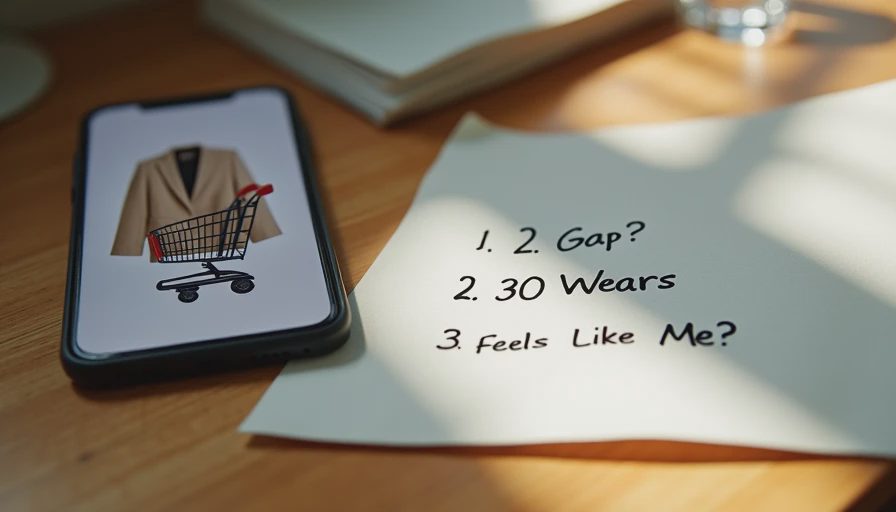
How I Use These Questions in Real Time
When shopping online:
Add to cart
Close the tab
Come back 24 hours later and run the three questions
Only then proceed to checkout
In-store:
Try it on and move around
Take a photo
Step out of the fitting room and literally ask the three questions out loud (quietly)
I’ve walked away from many “I love this!” moments once I answered honestly.
Real Examples From My Closet
Passed All Three Questions:
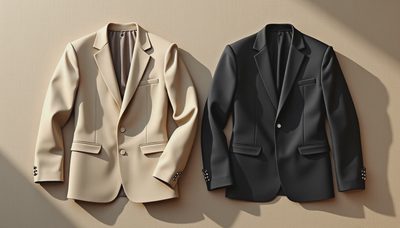
My beige relaxed blazer → solves layering gap, worn constantly, feels exactly like me.
Cognac loafers → perfect supporting piece, extremely versatile, core to my signature look.
Failed and Saved Me:
A dramatic puff-sleeve top → failed Question 1 (no real gap) and Question 3 (not my style).
Trendy colored jeans → failed Question 2 (limited styling options in my neutral-heavy capsule).
Turning the Questions Into a Habit
At first, this process felt slow and overly analytical. Now it’s automatic. I make better decisions faster because the filter is clear.
I also keep a short note in my phone called “Current Wardrobe Gaps” so I’m shopping with purpose instead of browsing aimlessly.
Style gets easier when your clothes cooperate — and these three questions ensure every new piece actually cooperates with the rest of your life and style.
Start Using Them This Week
Next time you feel the urge to buy something, pause and run these three questions:
Does it solve a real gap?
Will I actually wear it 30+ times?
Does it feel like me?
Your future closet will thank you. You’ll shop less, but love what you buy so much more.
I’d love to hear how this lands for you. Have you tried a similar decision framework? What’s one item you recently bought (or didn’t buy) after asking yourself tough questions? Share in the comments.

No letters yet — be the first to write.