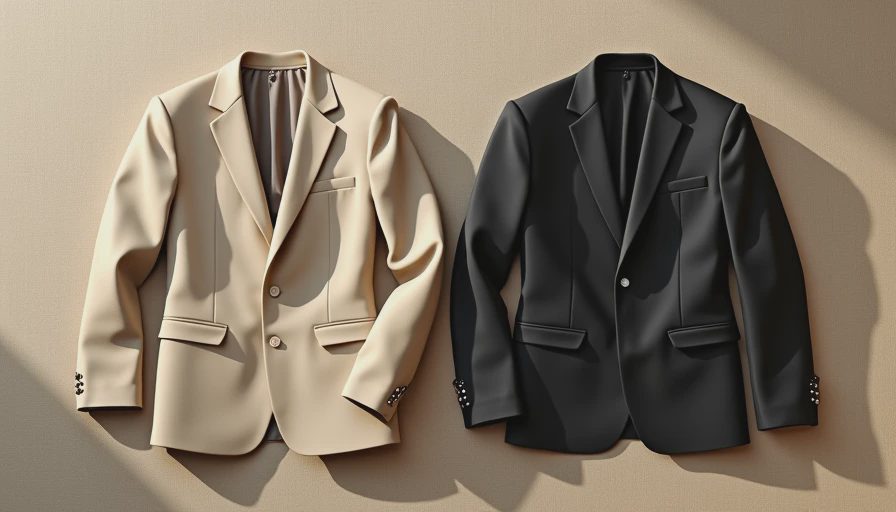
I’ll say it plainly: the biggest difference between a polished, expensive-looking outfit and one that feels “off” is almost never the brand name or the trendiness of the pieces. It’s the fit.
After years of styling clients, merchandising clothes, and fixing my own wardrobe mistakes, I’m convinced that fit matters more than most fashion content admits. Trends come and go, but a well-fitted garment makes you look intentional every single time.
Why We Underestimate Fit
Fashion media loves to talk about “the new silhouette” or “this season’s must-have color.” What they rarely show is how the exact same piece can look completely different based on how it actually sits on a real body.
I’ve seen $30 Uniqlo trousers look more expensive than $200 designer pants simply because they hit at the right ankle length and had the proper waist rise for the wearer. Conversely, I’ve watched beautiful designer items fall completely flat because the shoulders were off or the length was wrong.
The 7 Ways Fit Changes Everything
1. Shoulders Are the Foundation
If the shoulder seam sits too far down your arm or the shoulder pad (even subtle ones) is in the wrong place, the entire garment looks sloppy no matter how expensive it is. This is especially true for blazers, jackets, and structured tops.
2. Length Matters More Than You Think
Too long = frumpy. Too short = trying too hard. The sweet spot for trousers, skirts, and dresses changes your entire silhouette. For me, midi skirts hit right below the knee or at the calf’s slimmest point. Trousers should graze the top of the shoe or break slightly.
3. Waist Placement Creates Shape
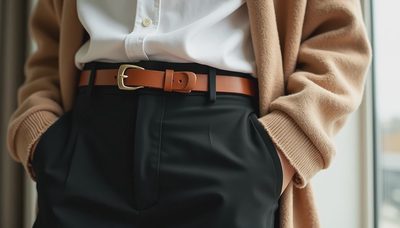
High-rise vs mid-rise vs low-rise dramatically changes how polished an outfit looks. Most women trying to look more elevated benefit from higher rises that create a longer leg line and better proportions.
4. Sleeve Length Is Make-or-Break
Three-quarter sleeves that end at the wrong spot or full-length sleeves that swallow your hands can ruin an otherwise great top. I often have sleeves tailored by 1–2 inches — it makes that big of a difference.
5. Bust and Dart Placement
If darts are in the wrong place or there’s gaping at the button placket, the whole top looks cheap no matter the fabric. Proper fit through the bust and waist is non-negotiable for button-downs and fitted tops.
6. Overall Ease and Movement
Clothes should skim, not cling or bag. You should be able to sit, reach, and move without constant adjusting. If you’re tugging all day, the fit is wrong.
7. Fabric Drape + Body Shape
The same wide-leg trouser can look elegant on one person and overwhelming on another depending on height, hip-to-waist ratio, and fabric weight. Understanding your proportions helps you choose the right versions.
My Biggest Fit Lessons From Real Life
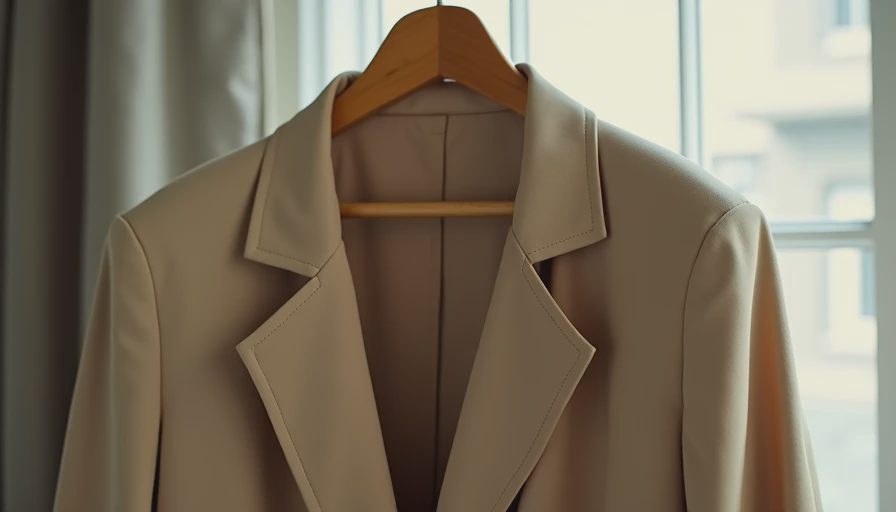
Early in my merchandising career, I dressed mannequins every day. The ones with perfect proportions always looked incredible — even in basic pieces. When I started applying tailoring logic to my own clothes, my entire wardrobe instantly looked more expensive.
One memorable example: I had a beautiful camel blazer that I rarely wore because it felt “meh.” After raising the hem by two inches and taking in the waist slightly, it became one of my hero pieces. Same blazer. Completely different impact.
Wearable beats impressive if impressive never leaves the closet.
Practical Ways to Improve Fit Right Now
Learn Basic Tailoring — Many simple adjustments (hemming, taking in sides, raising shoulders) cost $20–40 and completely transform pieces.
Size Up or Down Strategically — Sometimes the size that fits your bust doesn’t fit your waist. Buy for the biggest part and tailor the rest.
Use Belts and Layers — These help adjust fit on the spot and create better proportions.
Try the “Sit Test” and “Movement Test” in the fitting room.
Invest in Alterations for your core pieces — it’s often cheaper than buying new.
How This Changes Your Shopping
Once you prioritize fit, you become pickier in a good way. You buy fewer items but love them more. You stop chasing trends that don’t flatter your actual body and start investing in pieces that cooperate with it.
A good wardrobe should make your mornings easier, not louder — and proper fit is what makes clothes feel effortless instead of fussy.
Start Auditing Your Closet for Fit
Go through your closet this week and ask honestly: Which pieces would look significantly better with small adjustments? Which ones never felt quite right no matter what I paired them with?
You’ll probably discover that improving fit on 5–6 existing pieces gives you more style upgrades than buying 10 new trendy items.
Fit isn’t sexy to talk about, but it’s the foundation of looking polished in real life. Once you get it right, everything else becomes so much easier.
I’d love to hear from you — what’s one fit issue you struggle with most? Or what small alteration made the biggest difference in your wardrobe? Share in the comments. Let’s help each other get clothes that actually fit and flatter.
No letters yet — be the first to write.