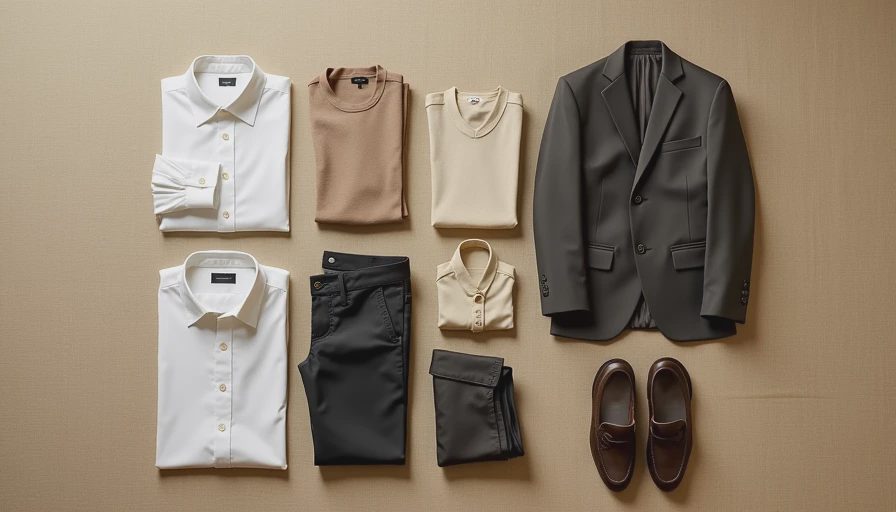
I used to think the secret to a good wardrobe was owning more basics. I’d stock up on black tees, white button-downs, and neutral trousers like my closet was preparing for the apocalypse. Then came the inevitable realization: I had too many of the wrong things and not enough of the right ones. My mornings were still filled with “nothing to wear” despite a bursting closet.
After years of refining my own wardrobe as a freelance stylist, I landed on a much more practical approach. It’s not about hitting some magic number you saw on Pinterest. It’s about understanding your actual life, your repeat outfits, and building smart quantities that support real repeatability.
A good wardrobe should make your mornings easier, not louder. Today I’m sharing exactly how many basics I think most women in our 24–38 working-professional sweet spot actually need—plus how to figure out your own right numbers.
Why “More Basics” Is Usually the Wrong Goal
The problem with most capsule wardrobe advice is that it treats basics like collectible cards. More isn’t automatically better. Too few and you’re doing laundry every other day or wearing things out too fast. Too many and you dilute your options, create decision fatigue, and waste money on duplicates that never get worn.
The sweet spot lies in enough quantity for rotation and real life (spills, travel, seasons) while maintaining quality and cohesion.
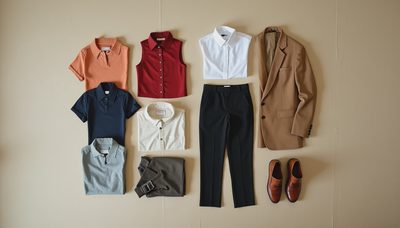
My Realistic Basic Wardrobe Numbers (Current Season)
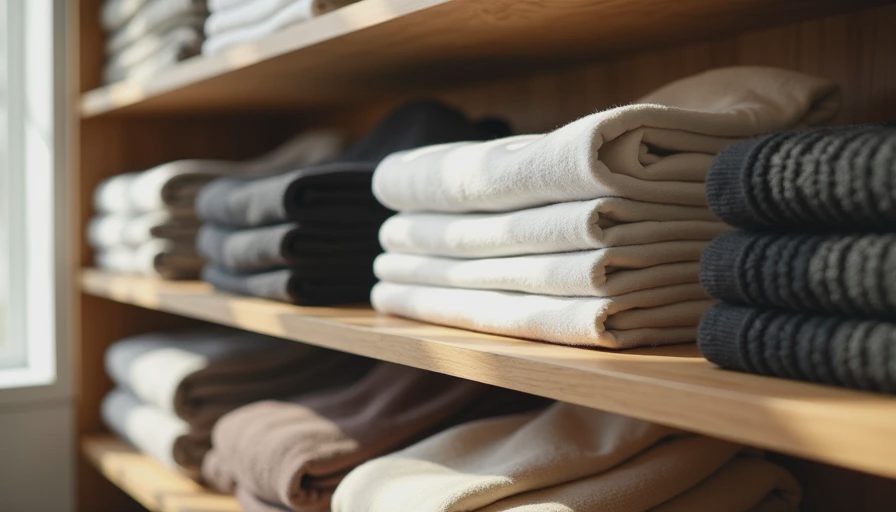
Tops (Core Everyday)
4–5 excellent button-downs or collared shirts (white, ivory, light blue, soft stripe)
6–8 versatile tees and tank tops in neutral and near-neutral colors
3–4 fine-gauge knit sweaters or lightweight cardigans
2–3 polished blouses for higher-stakes days
Total tops: Around 15–20 pieces that do 80% of the work. This gives me plenty of rotation without feeling overwhelming.
Bottoms
3 pairs of great jeans (different washes or rises)
3–4 pairs of tailored trousers or wide-leg pants
2 pencil skirts or midi skirts that work with multiple tops
1–2 pairs of tailored shorts for warmer months
I aim for 9–12 solid bottoms. This number lets me create dozens of combinations while forcing me to be intentional with purchases.
Dresses
4–6 go-to dresses (midi lengths preferred). These serve as complete outfits when I’m short on time or energy.
Outer Layers & Jackets
2 blazers (one structured, one more relaxed)
1 lightweight trench or chore coat
1 denim jacket
1 heavier coat for colder months (if applicable in your climate)
Shoes (The Real Game Changers)
2 pairs of everyday loafers or flats
1 pair of clean white sneakers
1 pair of heeled sandals or mules
1 pair of ankle boots
1 pair of comfortable wedges or block heels for longer days
I keep shoe basics tight—around 6–8 pairs total for all seasons. Shoes take the most wear and tear, so quality over quantity here is non-negotiable.
The Supporting Cast
8–10 versatile layering pieces (camioles, thin turtlenecks, etc.)
4–5 bags (daily tote, crossbody, weekend tote, small evening option)
Basics like belts, simple jewelry, and scarves that tie everything together
How to Calculate Your Own “Right” Numbers
Ask yourself these practical questions:
How many days per week do I need to get dressed for work or outings? If you work from home three days, your numbers can be lower than someone in the office five days.
What’s my laundry reality? I do laundry once a week, so I need enough pieces to last 7–8 days comfortably with some buffer for spills or travel.
What’s my climate like? Austin’s heat and occasional cold snaps mean I prioritize breathable fabrics and light layers over heavy quantities.
How many times do I repeat outfits? I’m completely comfortable repeating a great outfit within the same week. This realization dramatically reduced how many duplicates I thought I needed.
Wearable beats impressive if impressive never leaves the closet.
The Quality vs Quantity Trade-off
I’d rather own 3 outstanding pairs of trousers that fit perfectly and work with everything than 8 mediocre ones. The same goes for tees— a $15 tee that pills after three washes is not actually a basic. It’s expensive waste.
My rule now: Every basic must be able to be worn at least 30–50 times per year to justify its place. If it can’t, it’s not basic enough.
Building Your Basics Without Overbuying
Start by doing a closet audit. Pull out every “basic” item and sort them into three piles:
Love & Wear Often
Maybe (needs tailoring or styling help)
Never (time to let go)
Then fill the actual gaps, not the imaginary ones. For me last year, the gap was good-quality white button-downs that didn’t wrinkle into a mess by noon. I bought two excellent ones and stopped buying random tops.
Style gets easier when your clothes cooperate. When you have the right quantity of truly versatile basics, mixing and matching becomes intuitive instead of exhausting.
My Current Basic Wardrobe Philosophy
I don’t aim for a tiny minimalist capsule. I aim for a functional, flexible wardrobe that supports my real life as a 31-year-old freelancer who goes from client meetings to coffee shops to casual dinners.
Right now, my basics give me roughly 60–70 strong outfit combinations with minimal effort. That feels like freedom to me—not restriction.
You don’t need 50 white tees or 20 black pants. You need enough well-chosen, well-fitting basics that make getting dressed feel like a calm, confident choice instead of a daily battle.
Take inventory this week. Ask yourself honestly: Where am I under-resourced and where am I drowning in duplicates? Adjust accordingly. Small, intentional changes here create massive improvements in daily style satisfaction.
I’d love to hear where you’re at with your basics. Are you constantly short on certain items, or do you have too many of one category? Drop your biggest wardrobe gap or win in the comments—I read them all and often get great ideas from you.
Your wardrobe doesn’t need to be huge. It needs to be smart. And smart almost always means fewer, better basics working harder together.
No letters yet — be the first to write.