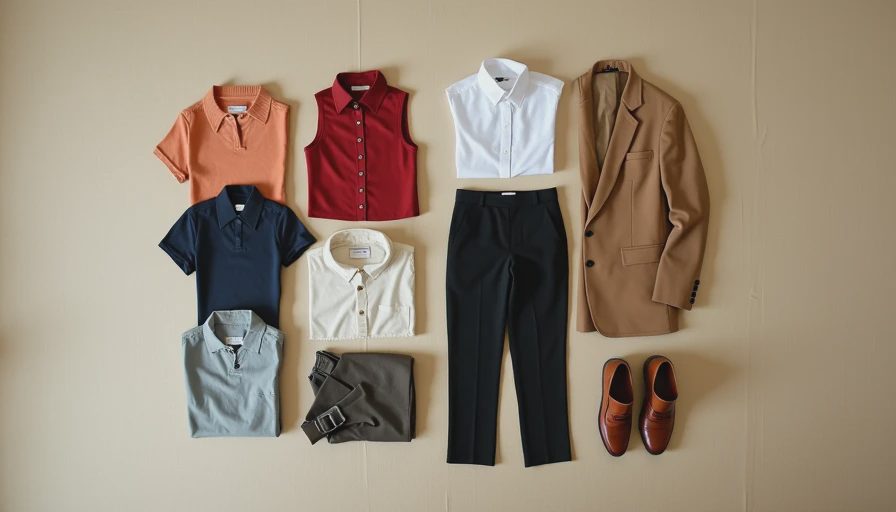
I used to dread opening my closet. Even though it was packed, I’d stand there in my robe, coffee going cold, muttering “I have nothing to wear.” It was exhausting. Then I realized the problem wasn’t lack of clothes — it was one specific mistake I (and most women I style) kept making.
That mistake? Buying individual pieces instead of building outfit clusters.
After years of editing my own wardrobe and helping others do the same, this is the root cause of most “nothing to wear” mornings. Let me show you exactly how it happens and how to fix it for good.
What “Buying Individual Pieces” Really Looks Like
You fall in love with a beautiful blouse online. You buy it. It arrives, looks great on, but then sits in your closet because you don’t have the right bottoms, shoes, or layers that make it work for real life.
Or you buy trendy pants on sale, but they don’t match any of your tops or jackets. Sound familiar?
This creates a closet full of orphans — pretty pieces with no friends. The result is decision fatigue and that constant feeling of having “nothing to wear,” even when the rack is full.
The Real Damage This Mistake Causes
Wasted money: Pieces that only work in theory but never leave the house.
Decision overload: Every morning becomes a puzzle with missing pieces.
Style inconsistency: Your outfits feel random instead of intentional.
Shopping spiral: You buy more to “fix” the problem, making the closet even more chaotic.
I did this for years. My turning point came during a brutal closet cleanout in Austin when I counted 27 tops and only 4 bottoms that actually worked with them. No wonder I felt stuck every morning.
How to Build Outfit Clusters Instead
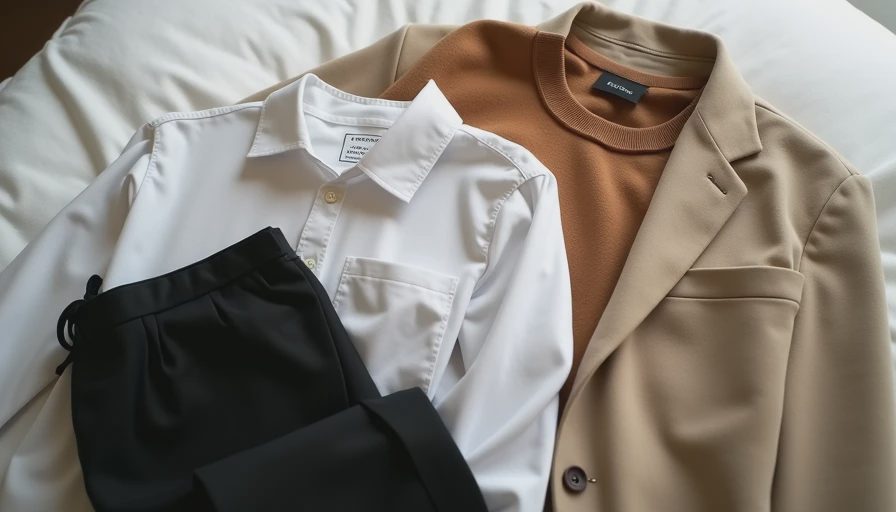
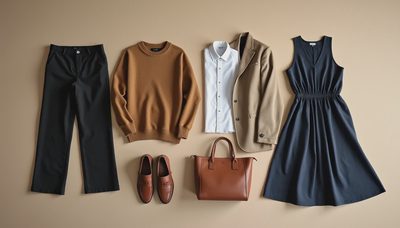
An outfit cluster is a small group of 4–6 pieces that mix and match effortlessly to create multiple complete looks.
Here’s my current favorite cluster example:
Core Bottoms:
Black tailored wide-leg trousers
Dark straight jeans
Neutral midi skirt
Core Tops:
Crisp white button-down
Camel merino crewneck
Simple ivory tee (multiple)
Structure Pieces:
Beige relaxed blazer
Lightweight trench
Shoes:
Cognac leather loafers
Clean white sneakers
Black ankle boots
With just these pieces, I can create 15+ different outfits without thinking. That’s the power of clusters.
Common Cluster-Building Mistakes to Avoid
Mistake 1: Ignoring your real life.
Build clusters around your actual schedule, not fantasy lifestyles. I need pieces that handle client calls, walking in Texas heat, and quick errands.
Mistake 2: Too many colors and patterns.
I keep most clusters in 3–4 harmonious neutrals. Easier mixing, calmer mornings.
Mistake 3: Forgetting texture and proportion.
Mix smooth with textured, fitted with relaxed. This creates visual interest without needing more items.
Mistake 4: Neglecting supporting pieces.
Shoes, bags, and outer layers are part of the cluster. A great top and bottom can fall flat with the wrong shoes.
My Step-by-Step Fix for Your Closet
Pull everything out. Yes, everything. Lay it on your bed.
Identify your strongest bottoms. These are your cluster anchors.
Find tops that work with at least two of those bottoms.
Group them. Create 2–3 mini clusters based on your lifestyle (Work Cluster, Weekend Cluster, Transitional Cluster).
Fill the gaps intentionally. Only buy what completes a cluster, never random cute pieces.
Test in real time. Wear the cluster for a full week and note what’s missing.
What My Closet Looks Like Now
My wardrobe is smaller than it was five years ago, but I get dressed faster and with more confidence. The “nothing to wear” mornings have almost disappeared. When they do happen, it’s usually because laundry is overdue — not because my clothes don’t work together.
A good wardrobe should make your mornings easier, not louder.
This one shift — from collecting pieces to building repeatable clusters — was the single biggest upgrade in my personal style journey.
Start Small This Week
Don’t overhaul your entire closet at once. Pick one area of your life (work outfits, weekend looks, travel) and build one strong cluster of 6–8 pieces. Once it works beautifully, move to the next.
You’ll be amazed how much calmer your mornings become when your clothes actually cooperate with each other.
I’d love to hear from you — what’s the biggest “nothing to wear” trigger in your closet right now? Is it mismatched tops and bottoms, wrong shoes, or something else? Share in the comments and let’s troubleshoot together.
Style gets easier when your clothes cooperate. Start building clusters and watch your mornings transform.
No letters yet — be the first to write.